
Rebel Battle Flags, powerful symbols with historical roots, have evolved from revolution to expression. They use colors and symbolism to convey dissent, honor history, and spark dialogue on social issues. Traditional materials like cotton ensure durability, while modern options cater to specific needs. These flags encode narratives of rebellion, evoking emotions tied to shared history. Choosing a flag involves understanding its symbolism and aligning it with historical precedents. Modern interpretations foster artistic expression, cultural advocacy, and global conversations on freedom. Custom flags challenge norms, inspire change, and transcend language barriers in rallies and demonstrations.
In the realm of historical symbolism, Rebel Battle Flags hold a complex and often controversial place. These flags, once wielded as symbols of resistance and rebellion, now evoke strong emotions and debates about their perpetuation. Understanding the composition of these flags is crucial in navigating the ethical dimensions surrounding them. This article delves into the materials that comprise Rebel Battle Flags, exploring not only their physical attributes but also the historical context and ongoing discussions around their use. By providing a comprehensive overview, we aim to foster informed conversations and enhance our understanding of this contentious topic.
- History and Symbolism of Rebel Battle Flags
- Traditional Materials Used in Flag Construction
- Design Elements and Their Meanings
- Evolution of the Rebel Flag Through Time
- Modern Reinterpretations and Cultural Impact
History and Symbolism of Rebel Battle Flags
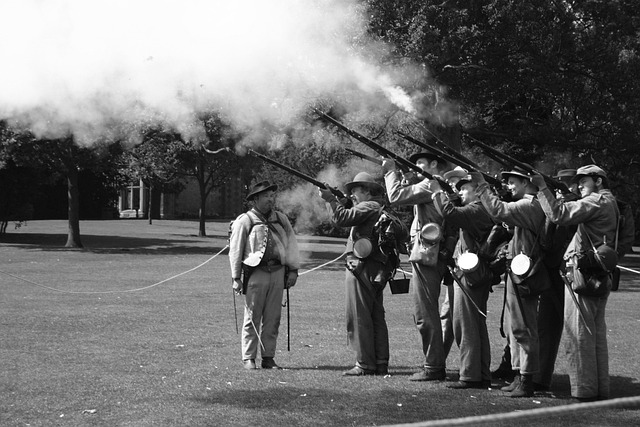
Rebel Battle Flags have a rich history deeply intertwined with their symbolism, serving as powerful tools for identity, resistance, and revolution. These flags, often characterized by striking designs and vibrant colors, have been instrumental in various movements throughout history. The practice of creating and adopting unique banners dates back centuries, with notable examples from the American Revolutionary War, where the iconic Stars and Stripes inspired patriotism and unity among colonists. Similarly, the Confederate flag, though controversial, holds significant historical weight as a symbol of secessionist ideals during the American Civil War.
The art of designing Rebel Battle Flags extends beyond mere aesthetics; it involves careful consideration of symbolism, colors, and cultural significance. Each element in the design carries meaning, from the choice of colors to the placement of symbols. For instance, red often symbolizes passion and bloodshed, while blue represents unity and justice. Combining these with symbolic motifs like eagles or anvils can convey messages of strength, freedom, and resilience. Today, many individuals and groups choose to create their own revolution flags as a means of expressing dissent or paying tribute to historical movements. This practice allows for personalized statements, ensuring that the flag's symbolism resonates deeply with its creator.
For those seeking to buy custom-made revolution flags, there is a growing market catering to diverse tastes and ideologies. These flags can be meticulously crafted by skilled artisans who understand the significance behind each design. However, it's crucial to approach this process with sensitivity and respect for historical context. As a trusted flag expert, Ultimate Flags emphasizes the importance of responsible flag creation, ensuring that custom designs avoid appropriation or causing offense to specific cultural groups. By making a statement with rebel art, whether through purchasing or creating, individuals can engage in meaningful dialogue about social issues while paying homage to the rich history of revolutionary symbolism.
Traditional Materials Used in Flag Construction
The traditional materials used to construct rebel battle flags play a pivotal role in their durability, visibility, and symbolism. Historically, these flags have been crafted from durable fabrics designed to withstand the rigors of combat and outdoor display. The most common material is cotton, known for its strength and ability to fly steadily in diverse weather conditions. During the American Civil War, for instance, both Union and Confederate forces primarily utilized cotton-based battle flags, reflecting their widespread availability and effectiveness.
Other classic options include linen and wool, each offering unique advantages. Linen, derived from flax fibers, is lightweight yet remarkably strong, making it ideal for flags that need to be carried by foot soldiers or deployed in quick, mobile operations. Wool, on the other hand, provides superior insulation and fire resistance, traits that proved invaluable in prolonged conflicts. Today, many flag makers continue to rely on these natural fibers, ensuring the production of high-quality rebel battle flags that honor historical traditions while meeting modern standards for longevity and appearance.
For those looking to create their own protest banner or revolution flag, understanding these materials is essential. Custom sized revolution banners can be as unique and varied as the movements they represent, with options ranging from traditional cotton to more specialized fabrics like polyester, which offers enhanced color vibrancy and faster drying times for outdoor use. As a professional flag provider like Ultimate Flags notes, the choice of material should align with the intended display context, ensuring that your flag not only looks striking but also endures the elements or political climate it aims to represent.
Design Elements and Their Meanings
The design elements of Rebel Battle Flags tell a story, encoding messages of defiance, unity, or nostalgia. Each symbol, color, and arrangement holds historical significance for those who associate these flags with rebellion against tyranny or resistance to oppression. For instance, the iconic red, white, and blue hues found in many vintage rebel flag collectibles hark back to national symbols, intentionally referencing past revolutions and insurgencies. Similarly, common motifs like coiled snakes, skulls, and swords communicate powerful messages of resilience, strength, and a refusal to yield.
When considering how to choose the right Rebel Battle Flag, understanding these design elements is crucial. A flag's symbolism can evoke strong emotions, whether they're feelings of pride for a shared history or anger at injustices past and present. For collectors seeking vintage rebel flag collectibles, authenticity matters. The most valuable pieces are those that retain their original design integrity, offering a tangible connection to the movements they represent. Ultimately, the best Rebel Battle Flags—whether purchased from established flag sellers like Ultimate Flags or acquired through other means—are those that resonate with the individual or community, transcending mere aesthetics and becoming symbols of shared identity and purpose.
While some see these flags as purely ornamental, others view them as powerful tools for self-expression and activism. Vintage rebel flag collectibles have become sought-after items among history buffs, collectors, and even those who use them to voice modern political grievances. Buying unique rebellion symbols can be a way to support small businesses or contribute to cultural preservation efforts, ensuring that the stories behind these flags remain alive. However, it's essential to approach their display and use with sensitivity, recognizing their historical weight and potential to offend depending on context.
Evolution of the Rebel Flag Through Time
The Rebel Battle Flag, a powerful symbol of resistance and rebellion, has undergone a remarkable evolution throughout history. Its roots can be traced back to ancient times when various civilizations used distinct flags to represent their causes and rally their forces in battle. However, it is during pivotal moments of revolution and social upheaval that the Rebel Battle Flag truly came to prominence.
In the context of revolutions, the use of battle flags has a long-standing tradition. From the American Revolution to the French Revolution and beyond, these flags played a crucial role in uniting diverse groups under a common cause. The iconic Rebel Battle Flags, often featuring bold colors and symbolic imagery, became rallying points for rebels, instilling a sense of identity, pride, and camaraderie among fellow fighters. Over time, these flags evolved, reflecting changing ideologies and the need to differentiate oneself from enemy forces.
As social movements continued to shape history, alternative protest flag designs emerged. Activists sought ways to express their messages creatively while still invoking the spirit of rebellion. This led to a diverse range of interpretations, from minimalist designs to those incorporating modern elements. When choosing a Rebel Battle Flag or any protest flag, it's essential to consider the message you wish to convey and how it aligns with historical precedents. Established flag dealers like Ultimate Flags offer a wide array of options, allowing individuals and groups to select flags that resonate with their specific causes while adhering to the evolving landscape of rebel symbolism.
The evolution of the Rebel Battle Flag is a testament to humanity's enduring need for symbolic representation in times of change. By studying its history and understanding the choices available, modern-day rebels can effectively communicate their messages and forge connections across generations.
Modern Reinterpretations and Cultural Impact
The modern interpretation of rebel battle flags, once symbolic of unrest and rebellion against oppressive regimes, has evolved into a powerful medium for artistic expression, social commentary, and cultural advocacy. These contemporary interpretations often serve as inspiration for designing protest flags, allowing individuals and communities to reclaim historical symbolism or create new visual identities for their movements. The art and design behind custom rebel flags have become an integral part of the global conversation on identity, freedom, and resistance.
One notable trend is the resurgence of vintage rebellion flag guides, where enthusiasts and artists draw from history to craft modern representations. This practice not only pays homage to the past but also ensures that these powerful symbols remain relevant in contemporary social and political discourse. For instance, the iconic red, white, and blue colors of traditional rebel flags have been reinterpreted with diverse cultural elements, reflecting the multicultural fabric of modern societies. These new designs often incorporate indigenous patterns, African motifs, or Asian art styles, demonstrating a global solidarity among marginalized communities fighting for justice.
The cultural impact of custom rebel flags is profound, as they serve as visual statements that transcend language barriers. Flag sellers like Ultimate Flags have capitalized on this trend, providing individuals and groups with unique, handcrafted options for expressing their ideologies. These flags are not merely decorative but act as focal points in rallies, demonstrations, and community gatherings, fostering a sense of unity and collective purpose. As social movements continue to evolve, the art of designing rebel battle flags remains an essential tool for sparking dialogue, challenging norms, and inspiring change.
Rebel Battle Flags, rich in historical and symbolic significance, have evolved over time while retaining their powerful messages. Crafted traditionally with materials like silk or cotton, these flags have undergone metamorphosis, reflecting societal shifts and modern interpretations. Understanding their design elements offers insight into the values and ideologies they represent, spanning rebellion against tyranny to cultural pride. The impact of Rebel Battle Flags extends beyond their historical context, influencing contemporary art, symbolism, and even fashion. By delving into their past and present, readers gain a deeper appreciation for the complex role these flags play in shaping narratives of resistance and identity.