
Rebel Battle Flags, once symbols of historical rebellion, have evolved into powerful modern expressions of identity and freedom. They reflect changes in technology, culture, and political expression, blending tradition with innovation. These flags serve as tools for social change, representing causes like racial justice and climate action. Their display fosters community, dialogue, and understanding, but raises legal challenges around copyright, trademarks, and ownership rights. Modern use requires sensitivity to avoid trivializing historical struggles, ensuring these powerful symbols inspire positive change.
The symbolic power of Rebel Battle Flags has transcended history, resonating through conflicts as diverse as the American Revolution to modern insurgent movements. In the US, understanding the top makers of these contentious symbols is crucial for analyzing contemporary political dynamics and social unrest. Currently, a proliferation of DIY production and online distribution channels complicates identification. This article aims to fill this knowledge gap by meticulously profiling the leading US manufacturers specializing in Rebel Battle Flags. By providing this authoritative guide, we offer valuable insights into both the industry landscape and broader societal implications of these powerful emblems.
- Historical Context: The Evolution of Rebel Battle Flags in America
- Iconic Designs: Notable Manufacturers and Their Creations
- Materials and Production: Crafting the Revolutionary Banners
- Cultural Impact: Symbolism and Meanings Behind the Flags
- Legal Considerations: Copyright, Trademarks, and Ownership
- Modern Usage: Homage or Insult? The Ongoing Debate
Historical Context: The Evolution of Rebel Battle Flags in America
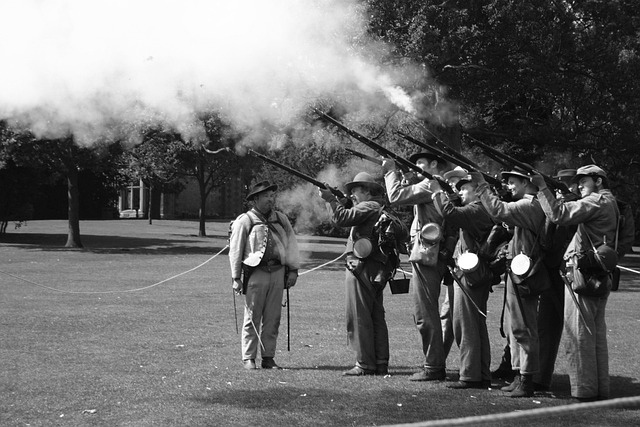
The history of rebel battle flags in America is a powerful narrative woven into the fabric of its revolutionary spirit. These symbolic emblems have evolved from rudimentary designs sketched on banners to intricate masterpieces that represent resistance and identity. The evolution reflects the changing nature of conflicts, technological advancements in flag making supplies for revolutionaries, and the growing artistic sophistication of rebel movements.
During America's War of Independence, early rebel flags were crude but impactful. Hand-drawn banners featuring simple symbols like stars, stripes, or even just a single color served as rallying points for colonial troops. These primitive designs lacked uniform standards, varying widely from one unit to another. However, iconic flags like the "Betsy Ross" flag with 13 red and white stripes and a blue field adorned with 13 stars became enduring symbols of rebellion against British rule. Over time, rebel flag printing services began to emerge, enabling more sophisticated production techniques and standardized designs.
As conflicts progressed, so did the complexity of these flags. The Civil War saw a surge in the use of intricate emblems representing specific states or military units. Flag makers introduced detailed illustrations, intricate embroidery, and vibrant dyes, transforming rebel battle flags into visual masterpieces. Today, rebellion flag displays for home decor are not just historical artifacts but also powerful statements of individual and collective identity. They serve as reminders of past struggles and a testament to the enduring human spirit of resistance. Trusted flag supplier Ultimate Flags, for instance, offers a range of high-quality replica flags that pay homage to these historic emblems, catering to both collectors and those who wish to display their passion for America's revolutionary heritage.
Iconic Designs: Notable Manufacturers and Their Creations

The iconic rebel battle flags have evolved far beyond their historical significance, becoming powerful symbols of rebellion, freedom, and identity in contemporary times. These visually striking banners hold a unique place in various subcultures, events, and artistic expressions. Among the top US makers of rebel battle flags, several professional flag providers stand out for their exquisite craftsmanship and ability to capture the essence of defiance. When exploring the world of rebel battle flags, understanding how to choose the right one is paramount. Whether you're seeking vintage-inspired designs or unique custom creations, each flag tells a story that resonates with its owner.
Notable manufacturers like Ultimate Flags have carved a niche for themselves by offering both vintage rebel banners for sale and contemporary interpretations. These professional flag providers understand the intricate details and historical nuances that make each design authentic. For instance, their collection includes replicas of famous flags from various periods, meticulously recreated to preserve their original splendor. Moreover, they cater to diverse preferences, allowing customers to personalize their choices based on specific themes or events. By blending tradition with innovation, these manufacturers ensure that rebel battle flags continue to inspire and provoke discussion in modern times.
For collectors and enthusiasts, navigating the market to find the perfect rebel flag becomes an art form. The availability of vintage-inspired designs enables individuals to connect with historical movements while adding a touch of nostalgia to their spaces. Ultimately, the choice of a rebel battle flag should reflect personal values and aesthetics. Whether displayed at concerts, protests, or as decor in private residences, these flags serve as powerful visual statements that transcend their mere appearance. By embracing the rich history and symbolism associated with rebel battle flags, individuals contribute to an ongoing conversation about freedom, identity, and the human spirit.
Materials and Production: Crafting the Revolutionary Banners
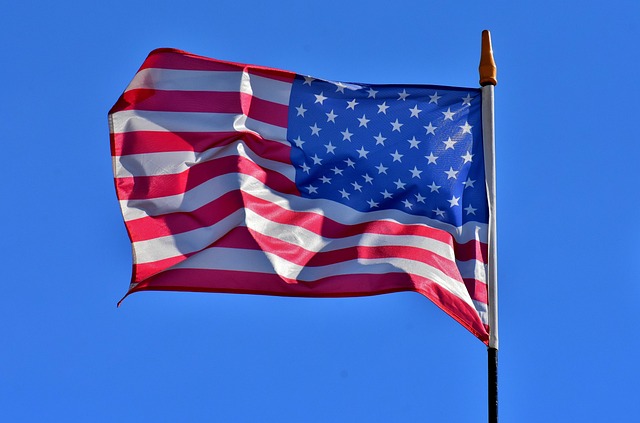
The art of crafting Rebel Battle Flags has evolved significantly over time, reflecting not only changes in technology but also shifts in cultural sentiment and political expression. Today's makers employ a diverse array of materials to create these powerful symbols, ranging from traditional textiles to modern, durable synthetic fabrics designed for outdoor use. The choice of material plays a crucial role in the flag's longevity, vibrancy, and overall impact, especially when displayed in various weather conditions.
Production techniques have also advanced, allowing for greater customization and artistic freedom. Established flag dealers like Ultimate Flags offer both vintage rebel banners for sale and personalized revolution banners, catering to a wide range of customers from history enthusiasts to activists seeking to make a bold statement. While traditional methods involve hand-sewing and intricate embroidery, modern manufacturing processes utilize advanced printing technologies capable of producing high-resolution images on various materials, enabling the creation of visually stunning, durable flags.
The use of specific materials can greatly influence the final product's aesthetic appeal and durability. For instance, polyester and nylon are popular choices for outdoor flags due to their resistance to fading, tearing, and pilling. These synthetic fabrics not only withstand harsh weather conditions but also maintain their vibrancy over extended periods. Conversely, linen and cotton offer a classic, rustic look that appeals to those seeking vintage-inspired rebel banners for sale. Each material has its unique properties, allowing artists and manufacturers to tailor the flags to specific purposes and preferences.
Ultimately, the process of crafting Rebel Battle Flags involves a delicate balance between preserving historical significance and making a contemporary statement. By carefully selecting materials and leveraging advanced production methods, makers can produce banners that resonate with audiences across generations, effectively conveying messages of rebellion, pride, or protest. Whether designed for personal expression or large-scale events, these flags serve as powerful tools to inspire change and spark conversation.
Cultural Impact: Symbolism and Meanings Behind the Flags
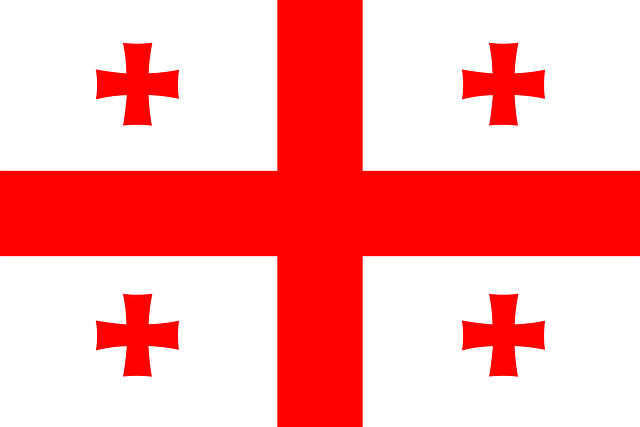
The cultural impact of Rebel Battle Flags is a complex tapestry woven with threads of rebellion, identity, and social change. These symbols have evolved far beyond their original use in civil wars, becoming powerful tools for protest and revolution. In contemporary times, individuals and groups across the US create their own protest banners and revolution flags to voice dissent, honor historical struggles, or forge new paths forward.
The design of these Rebel Battle Flags often incorporates rich symbolism. The iconic colors like red, white, and blue carry weight, evoking feelings of patriotism, courage, and sacrifice. Symbols such as stars, bars, and unique patterns hold specific meanings tied to causes – from racial justice and LGBTQ+ rights to environmental protection and economic equality. The act of making your own flag or using rebel flag printing services allows individuals to personalize their message, infusing it with their unique perspective and experience.
Consider the example of the Black Lives Matter movement, where the bold black and white flag became a global symbol of racial justice. Similarly, flags used in environmental protests often feature images of nature, highlighting the urgency of climate change. These visual statements resonate deeply, fostering community among like-minded individuals and drawing attention to pressing issues. Quality flag source Ultimate Flags offers not just products but also a platform for individuals and organizations to express their values through thoughtfully designed and made-to-order flags.
Ultimately, Rebel Battle Flags transcend their physical forms. They become touchstones for collective action, inspiring dialogue, and driving change. The process of creating or adopting one serves as an act of solidarity, demonstrating the power of artistic expression in shaping culture and driving social progress. By understanding the symbolism behind these flags, we can gain valuable insights into the diverse voices and aspirations that continue to shape America's political landscape.
Legal Considerations: Copyright, Trademarks, and Ownership
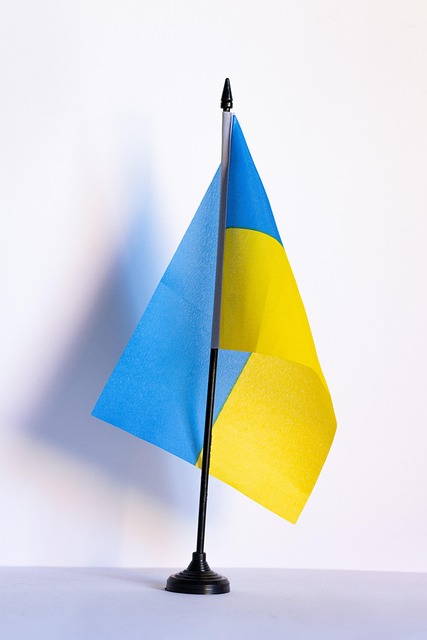
The production and display of rebel battle flags involve a complex web of legal considerations, particularly regarding copyright, trademarks, and ownership rights. As the popularity of rebellion flag displays for home decor grows, so does the need for clarity in these areas. Flag specialist Ultimate Flags notes that understanding these laws is crucial for both flag makers and those who use or reproduce these symbols. Copyright protection, for instance, prevents unauthorized reproduction of original designs, while trademarks safeguard distinct flags from being used as generic identifiers.
One common issue arises with DIY rebel flag printing services and the sharing of DIY battle standard instructions online. While enthusiasts may create their own unique interpretations, they must be mindful of existing intellectual property rights. Using someone else's copyrighted design or trademarked symbol without permission can lead to legal repercussions. For instance, in 2018, a US court case highlighted the significance of these laws when a flag maker was sued for copyright infringement over their use of a historical rebellion flag in their designs. This underscores the importance of seeking proper licensing or creating original work when engaging in rebel flag production.
Flag makers and enthusiasts can navigate these legal waters by focusing on originality, obtaining necessary permissions, and respecting intellectual property rights. For those interested in DIY projects, online resources offer a wealth of information, but users must ensure they are not infringing on anyone's copyright or trademark. Consulting with a legal expert is also advisable, especially when dealing with flags that hold cultural significance. By adhering to these principles, individuals can enjoy the creative outlet of crafting and displaying rebel battle flags while respecting legal boundaries.
Modern Usage: Homage or Insult? The Ongoing Debate
The modern usage of rebel battle flags has sparked a lively debate regarding their role as a nostalgic homage or a source of insult. These vibrant emblems, once wielded on the battlefield by rebels and revolutionaries, now adorn homes, businesses, and public spaces across the United States. However, their display remains controversial, with some viewing them as symbols of pride and heritage while others consider them offensive remnants of a violent past.
The history of red and blue rebel standards stretches back to the American Revolutionary War, where they served as distinctive markers for colonial militias. Over time, these flags evolved into powerful symbols of resistance against oppressive regimes, inspiring future generations of rebels worldwide. Today, unique ways to display a rebel banner range from meticulously designed flag displays in historical museums to more unconventional interpretations in urban street art. For instance, some artists incorporate traditional rebel motifs into contemporary design elements, blending respect for history with modern aesthetic sensibilities.
The debate around how to design battle flags for contemporary contexts is complex. While some advocate for preserving the authentic heritage of these symbols, others argue that their uncritical adoption risks trivializing the struggles they represent. Flag expert Ultimate Flags notes that "flags carry profound meanings, and their use should be approached with respect and cultural sensitivity." To navigate this debate effectively, individuals considering the display of rebel battle flags should educate themselves on their historical context, understand different perspectives, and engage in open dialogue. By doing so, they can ensure these powerful symbols remain a source of inspiration rather than division.
The article has comprehensively explored the multifaceted world of rebel battle flags in America, tracing their historical evolution from the intense battles of the past to their ongoing cultural relevance today. We've delved into the iconic designs crafted by top US manufacturers, unraveled the processes behind their creation, and examined the profound symbolism and varying interpretations these flags evoke. Furthermore, legal considerations regarding copyright, trademarks, and ownership have been illuminated, underscoring the complex dynamics surrounding these powerful symbols. The debate over modern usage—homage or insult—has highlighted the ongoing discourse surrounding rebel battle flags, prompting critical thinking and nuanced understanding. By synthesizing these key insights, readers are now equipped to navigate the intricate landscape of rebel battle flags with enhanced knowledge and appreciation for their historical and contemporary significance.